Client
KaMM Center
Impact area
Research, history and digital humanities
Work
Website security and recovery
Goal
Restore the website and prevent future breaches
Project overview
The Center for the Study of Knowledge, Materials, and Materiality (KaMM Center) is a non-profit focused on research, public history and digital humanities. Its website is where collaborators and academic partners look at its research, publications and proposals.
An outdated plugin let attackers compromise the site, and the whole website went offline. There was no working backup. The only thing left to work from was one archived page on the Wayback Machine.
Our key objective was full website recovery and long-term protection: remove the vulnerability, rebuild every page and make sure the same attack could not happen again.
The results
Website restored in one week
Rebuilt from one archived page
Zero anomalies in weekly scans
No reinfection since recovery
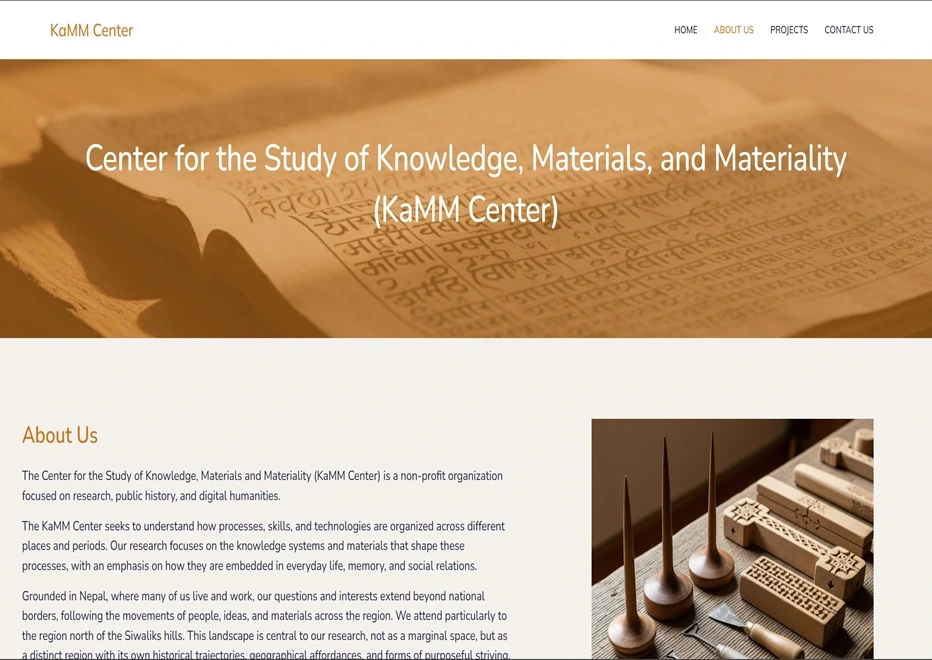
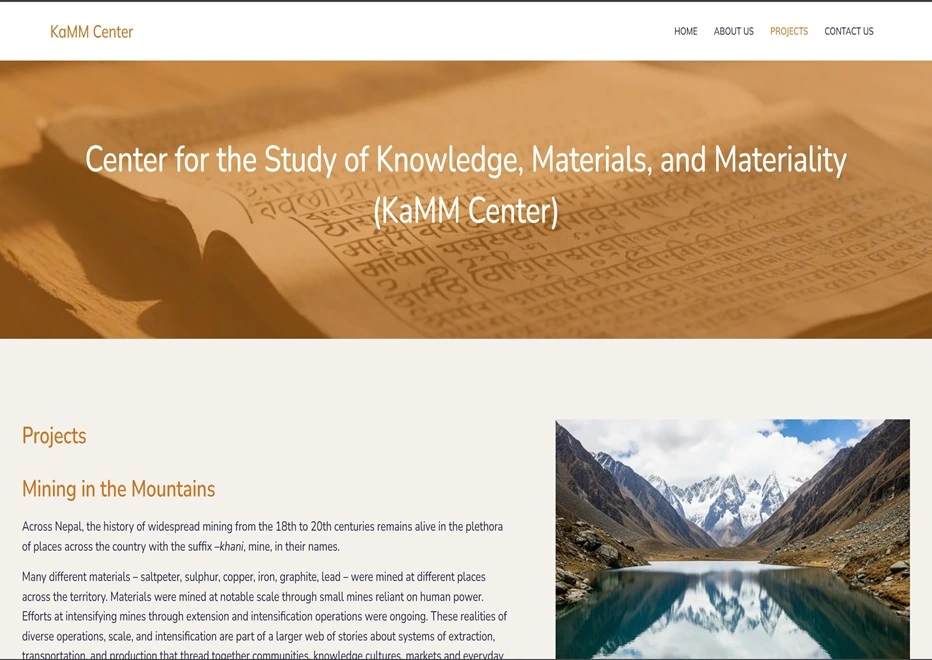
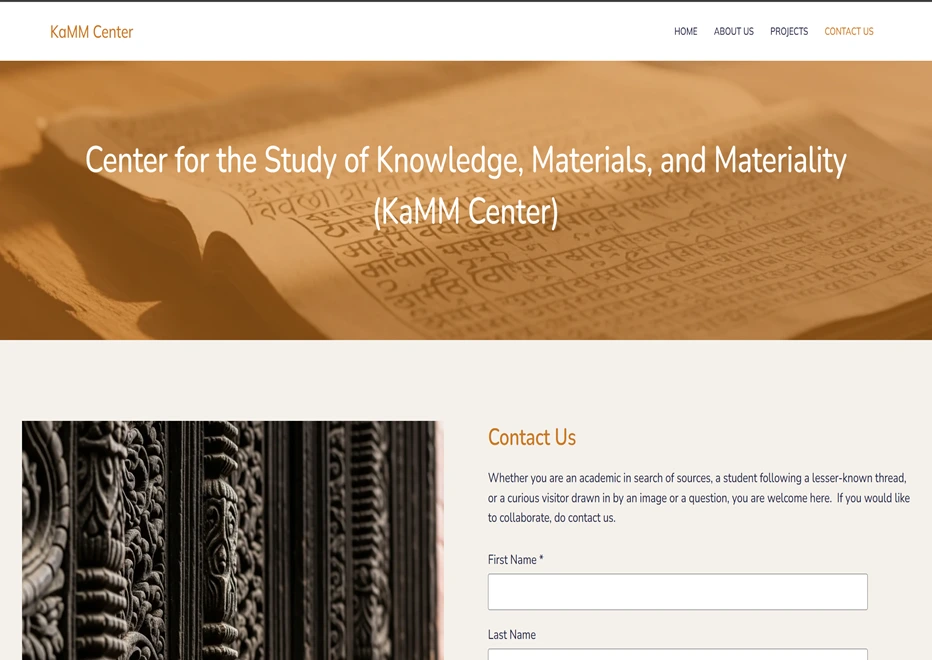
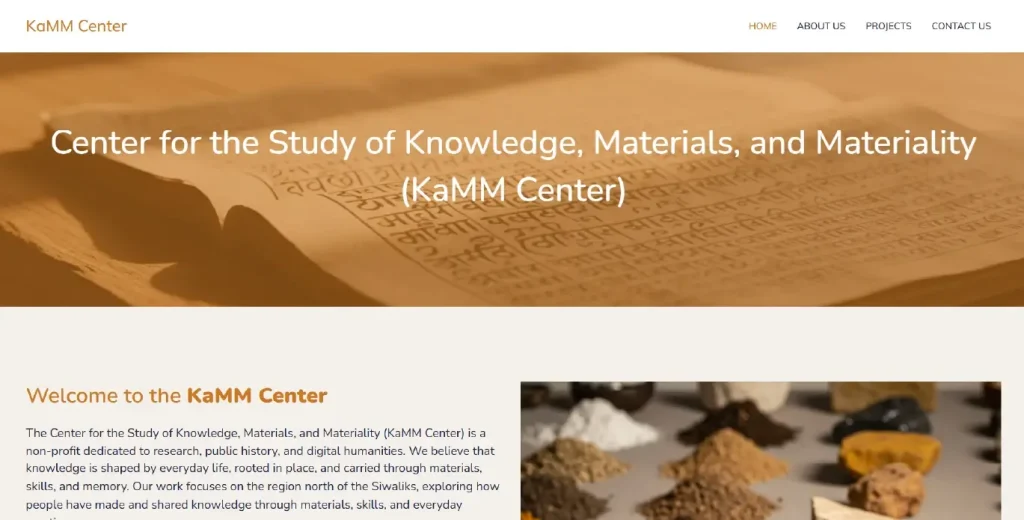
Within one week of the engagement starting, the full website was rebuilt and back online. The design, structure and research content closely match the original, and the platform is now protected and monitored.
- Every page rebuilt from a single archived reference
- Vulnerable plugin removed and all plugins and the theme updated
- Firewall active and Wordfence monitoring in place
- Weekly Wordfence scans show zero anomalies
Before: The website was inaccessible after a breach. There was no security protection, no backup and no way for partners to see the organization’s work online.
After: The website is fully restored, a firewall and malware protection are active, weekly scans run automatically and a maintenance process keeps plugins up to date.
The execution
The challenge
There was no backup from before the breach. The original content, media files and page structure were gone, and a single Wayback Machine snapshot was the only reference for how the site had looked.
The compromised plugin was still an open door, so rebuilding without fixing it first risked reinfection. The site had no firewall and no monitoring, and every layout had to be reconstructed by hand.
For a research organization, the website is its public credibility. Partners check it before they get in touch, so every day offline was a day the center could not show its work.
The solution
We worked in three phases: close the hole, rebuild the site, then keep it protected.
Phase 1: Security audit and vulnerability removal
We audited the whole site and traced the breach to the outdated plugin. We removed it, cleaned the infected files, updated every plugin and the theme and stabilized the hosting environment before rebuilding anything.
Phase 2: Website reconstruction
Using the archived page as the reference, we rebuilt every missing page by hand. We recreated the layouts, structure and content to match the original as closely as possible and restored navigation across the site.
Phase 3: Security hardening and ongoing monitoring
We installed and configured Wordfence, turned on firewall protection and applied hardening measures. Weekly malware and vulnerability scans now run automatically, with monitoring and a maintenance routine to catch problems early.
Client feedback
Thank you very much for these three marathon days of problem solving security issues while also updating the site substantively. You have been wonderfully responsive and accommodating of all my nitpicky requirements. I appreciate it.
Surabhi Pudasaini, Director, KaMM Center
The finished website